Securing Intergenerational Harmony at Work
23 Jun 2025

Time was that people naturally deferred to their elders and automatically assumed they knew better than them.
It was the way our societies worked for hundreds of years.
Elders were betters and we did what we were told.
You don’t need me to tell you that has all changed.
Younger generations today will speak their mind – and argue their corner – regardless of the age of the person on the other side of the argument.
And good on them for it. Age has never been a guarantee of wisdom just as youth has never been synonymous with drive and enthusiasm.
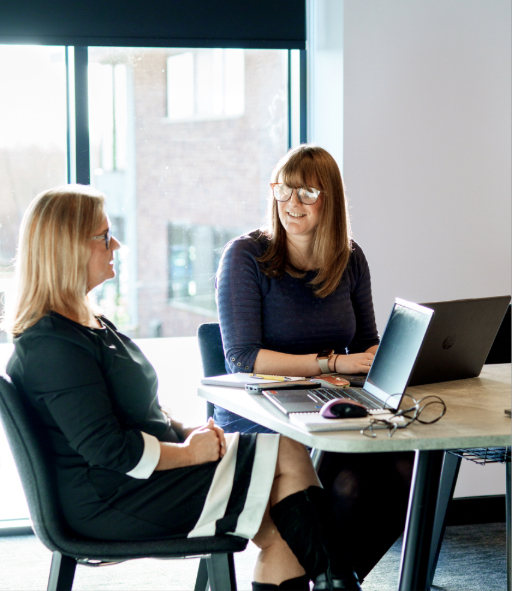
But workplaces today are more diverse than ever, with multiple generations working side by side. And while this blend of experience, perspectives, and work styles can create a dynamic and enriching environment, it can also lead to friction.
Differences in attitudes, communication preferences, and expectations can make intergenerational harmony difficult to secure. Organisations must proactively address these challenges to foster collaboration, mutual respect, and inclusivity.
The generational divide
Each generation brings distinct perspectives shaped by their upbringing, economic conditions, and technological advancements.
Younger employees, particularly Gen Z, often prioritise workplace flexibility, autonomy, and ethical considerations. They prefer digital communication over face-to-face interactions and value organisations that align with their social and environmental beliefs.
Meanwhile, older employees, having built their careers in traditional office environments, may favour structure, personal interactions, and long-established business practices.
These contrasting attitudes can lead to misunderstandings and resentment. Younger workers may view older colleagues as resistant to change, while more seasoned employees might see their younger counterparts as lacking discipline or commitment.
Workplace conflict can arise when expectations clash over work hours, office attendance, and approaches to management. Without a deliberate effort to bridge these gaps, organisations risk creating environments where age-related biases persist, limiting co-operation and productivity.
Removing age bias
A key factor in fostering intergenerational harmony is eliminating age bias from workplaces.
Many businesses unconsciously favour either older or younger employees, whether through hiring practices, promotion criteria, or access to professional development.
Some assume younger employees lack leadership potential, while others assume older workers are unwilling to adapt to technological advancements.
Organisations must challenge these assumptions by recognising the strengths and contributions of each generation.
For instance, younger employees may bring fresh, innovative ideas, while seasoned professionals provide invaluable experience and institutional knowledge.
By shifting focus towards a strengths-based approach rather than age-based stereotypes, companies can cultivate a more balanced and harmonious work culture.
Building bridges between generations
Businesses should actively try to bring generations together.
Training programmes that encourage cross-generational mentorship can be highly effective, allowing younger employees to learn from experienced professionals while also sharing their technological expertise.
Encouraging collaborative projects that mix age groups can also lead to better understanding and appreciation of diverse perspectives.
Beyond formal processes, companies should focus on creating opportunities for social interaction.
Workplace events, team-building activities, and open forums for discussion can break down barriers between different age groups, allowing employees to connect on a personal level. Leadership teams should also prioritise open communication, ensuring that employees of all ages feel heard and valued.
Intergenerational harmony is certainly achievable, but it requires conscious effort.
Organisations must break down stereotypes, remove biases, and actively cultivate inclusive environments that embrace the strengths of all employees.
By implementing thoughtful training, social integration, and workplace flexibility, businesses can ensure that age diversity enhances workplace culture rather than becoming a source of conflict.
If any of these issues impact your workplace, we can help. Get in touch for a free consultation and let us take the headache out of your HR.