
Harnessing AI in a human way
24 Jul 2024
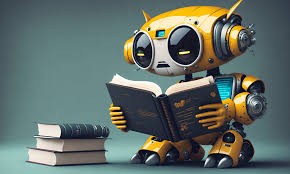
Everybody knows that Artificial Intelligence (AI) is the next big thing.
As AI technology develops, it will have a seismic impact on the way we all live our lives – both at work and at home.
But just because new technology makes life easier in some regards doesn’t mean we need to implement it blindly or follow it regardless of where it takes us.
As organisations embrace AI, they must tread carefully to avoid unintended consequences which could turn out to do more harm than good.
One particular area in which AI can help is recruitment – but it really must be used with a human touch. Here’s a look at some of the issues.
Benefits of AI in Recruitment
Efficiency and Speed:
- AI streamlines administrative tasks, freeing up recruiters’ time for strategic activities.
- Chatbots handle routine queries, auto-schedule interviews, and summarise candidate profiles, allowing recruiters to focus on meaningful interactions1.
- Volume screening becomes faster, especially for roles with well-defined requirements.
Diverse Talent Pool:
- AI helps organisations diversify their talent pool by identifying candidates from various backgrounds.
- By reducing bias in the initial screening process, AI ensures a fairer representation of candidates1.
Closing the Gender Pay Gap:
- AI-driven analytics can identify pay disparities based on gender.
- Organisations can proactively address these gaps by adjusting compensation structures2.
The Pitfalls to Avoid
Blindly Following AI Recommendations:
- Managers must exercise caution when relying on AI-generated insights.
- Typing employment queries into AI and unquestioningly implementing the results can lead to policy violations and discrimination.
- AI lacks context and may not consider organisational nuances or individual circumstances.
Risk of Bias:
- AI algorithms learn from historical data, which may contain biases.
- If not carefully monitored, AI can perpetuate existing inequalities.
- Regular audits and human oversight are essential to prevent unintended bias3.
Emotional Intelligence: The Human Edge
While AI excels at data analysis, it cannot replicate emotional intelligence (EI). Leaders must recognise the value of EI in the following ways:
Empathy and Understanding:
- EI enables leaders to connect with employees on a deeper level.
- Compassionate communication fosters trust and engagement.
Conflict Resolution:
- AI lacks the ability to navigate complex interpersonal dynamics.
- Leaders with high EI can mediate conflicts effectively.
Adaptability:
- Emotional intelligence allows leaders to adapt to changing circumstances.
- Empathetic leaders understand employee needs and adjust their approach accordingly.
In a healthy workplace, AI should complement—not replace—human judgment.
Organisations must strike a balance, leveraging AI’s efficiency while preserving empathy and ethical decision-making. By doing so, we can create a future where technology enhances our humanity rather than diminishes it.
If you’d like any help understanding any of the issues raised in this blog, just click the button to get in touch. We’d be delighted to help.