
Social responsibility and the workplace
15 Feb 2022
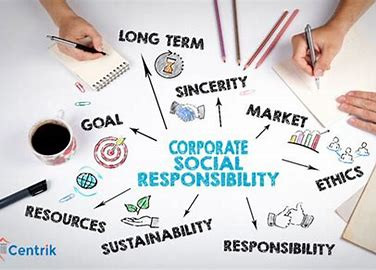
What’s the most important thing for you when you are applying for jobs?
Time was when few of us looked beyond salary when considering our next move – or first steps on the employment ladder.
But times and people change, and those from Generation Z starting to make their way in employment have new ideas about what they want from their employers.
Gen Z – typically those born after 1995 – see a much closer link between employment and social responsibility than many of their predecessors.
It’s one of the less obvious lessons we can all learn from the COP26 conference at the end of last year.
Research by Deloitte shows that Gen Z takes its environmental and social responsibilities very seriously – and they expect their workplaces to do the same.
That research showed 77 per cent of those questioned thought it was important that their employer’s values were closely aligned to their own.
What does this mean in practice?
Quite simply, it means that the new generation of workers is driven less by how much cash they earn – though that remains important – and more by a prospective employer’s stance on environmental, diversity, social and ethical issues.
The last two years has also shifted the needle in terms of work-life balance.
Young workers are now much less inclined to put up with being told exactly when and where they should work and under what terms. One study showed that 75% of Gen Zs say they would consider joining the gig economy to protect the greater flexibility they desire.
It’s work to live rather than live to work.
At the moment, with the recruitment crisis meaning staff are at a premium, we’re in a seller’s market.
That puts employees in a strong place. They are difficult to attract and difficult to replace.
So if you feel your workplace doesn’t do enough to reflect your values, now’s a good time to speak up, or start looking for one which does.
Talk to you managers and colleagues about how things can be changed to be more sustainable or environmentally conscious, raise awareness of ethical issues and try to find opportunities for your company to engage in more corporate social responsibility work.
There are plenty of ways you can add value to your company – suggesting charitable or community initiatives, making sure managers are aware of small steps which can help with sustainability and working together with your employers to prioritise work-life issues and mental health.
Rather than sit back and think these things can’t change, now’s a great time to support your employer in working on this agenda.
And, of course, if you feel they fail and your own values are not being reflected, it’s also a great time to look for opportunities elsewhere.
And remember, just click on the button to access a free consultation if we can help in any way with any of these issues.