Bridging the UK’s Skills Gap
23 Oct 2023
In an era when the business landscape is constantly evolving, the need for a bolder approach to training has never been more evident.
The United Kingdom, once renowned for its skilled workforce, is slowly sinking down the skills table. A new report from Coursera – the Global Skills Report – found that in just the last year, the UK has dropped 26 places to 64th out of 100 countries in its approach to skills development.
It’s imperative that businesses recognise this trend and take decisive action to address the pressing issue of skill shortages.
For many, that means taking a more daring approach to training to bridge the skills gap in the UK.
Lots of Skills Are Disappearing, and We Need to Do More
Many traditional skills are becoming obsolete, making way for new ones. Automation and artificial intelligence are changing the nature of work, rendering certain job roles redundant and necessitating a new set of skills. To keep up with this transformation, businesses must adopt a proactive stance towards training and development.
It’s no good thinking the same training will produce new results – if you want to be a leader in new technology, digital skills, or AI, for example, you have to invest in training your workforce.
And it’s essential our education system produces young people with the skills needed in the modern world. A reliance on a Victorian model of teaching is becoming increasingly outdated.
Lack of Communication is One Key Skill Gap
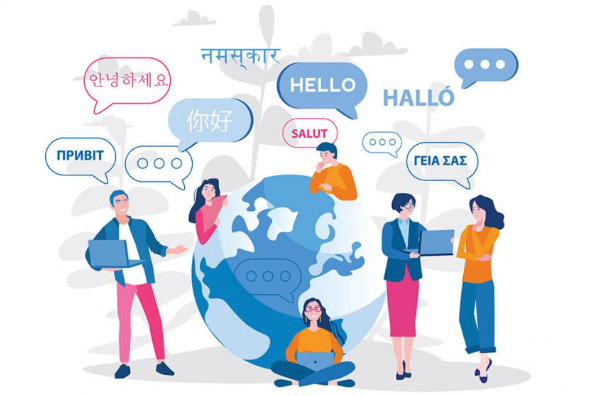
Effective communication is the cornerstone of success in any organisation. Yet, one of the significant skill gaps identified in the modern workplace is the lack of strong communication skills.
As technology continues to facilitate remote work and global collaboration, the ability to convey ideas clearly and collaborate effectively is more critical than ever.
To address this gap, businesses must invest in communication training programmes that empower employees to communicate with confidence.
Lack of Social Skills is Another
In today’s digital age, a significant portion of our interactions occurs online, which can lead to a decline in essential social skills. The ability to build relationships, empathise, and collaborate in person remains crucial.
Businesses need to recognise this decline in social skills and implement training initiatives that promote emotional intelligence, teamwork, and interpersonal effectiveness.
We’ve Got to Be More Bold with Training
To bridge the growing skills gap, businesses must adopt a bolder approach to training. This means moving beyond traditional training methods and embracing innovation. Here are some strategies that can help organisations take a more daring stance toward training:
- Lifelong Learning: Encourage a culture of continuous learning within the organization. Provide employees with opportunities to upskill and reskill throughout their careers.
Personalised Learning Paths: Tailor training programmes to individual employee needs and career goals. Personalised learning fosters engagement and ensures that employees acquire the skills relevant to their roles. - Embrace Technology: Leverage e-learning platforms, virtual reality, and other cutting-edge technologies to deliver training in engaging and efficient ways. These tools can help employees acquire new skills quickly and effectively.
- Mentorship and Coaching: Implement mentorship and coaching programmes to facilitate knowledge transfer and skill development. Experienced employees can pass on their expertise to newer members of the team.
- Feedback and Evaluation: Regularly assess the effectiveness of training programmes and adjust them as needed. Gathering feedback from employees can provide valuable insights into the training’s impact on their performance.
By addressing skill gaps, especially in communication and social skills, and by embracing innovative training methods, businesses can empower their employees to thrive in the ever-evolving workplace. It’s time to invest in training that not only prepares employees for the present but also equips them with the skills they need to shape the future.
If you need help or support developing training programmes for your staff just get in touch and we’d be happy to help.